Payment orchestration in 2026: when one PSP is no longer enough
Single-PSP setups made sense in 2018. In 2026, even modest-volume merchants are leaving real money on the table.
For most of the last decade, the standard advice for a growing online business was simple: pick one good PSP and stop thinking about it. That advice has aged badly.
Three forces changed the calculus
The first is maturity. PSPs that were exotic five years ago — local APMs, account-to-account rails, BNPL providers — now route meaningful volume. Ignoring them no longer means ignoring an edge case; it means ignoring a third of the market.
The second is margin compression. Interchange-plus pricing and clearer reporting have made it easier than ever to benchmark what you actually pay. The merchants who benchmark, negotiate. The ones who don't, overpay.
The third is resilience. The 2023 and 2024 outages taught everyone an uncomfortable lesson: a single PSP is a single point of failure for the entire business. Orchestration is a continuity story before it is a cost story.
What orchestration actually means
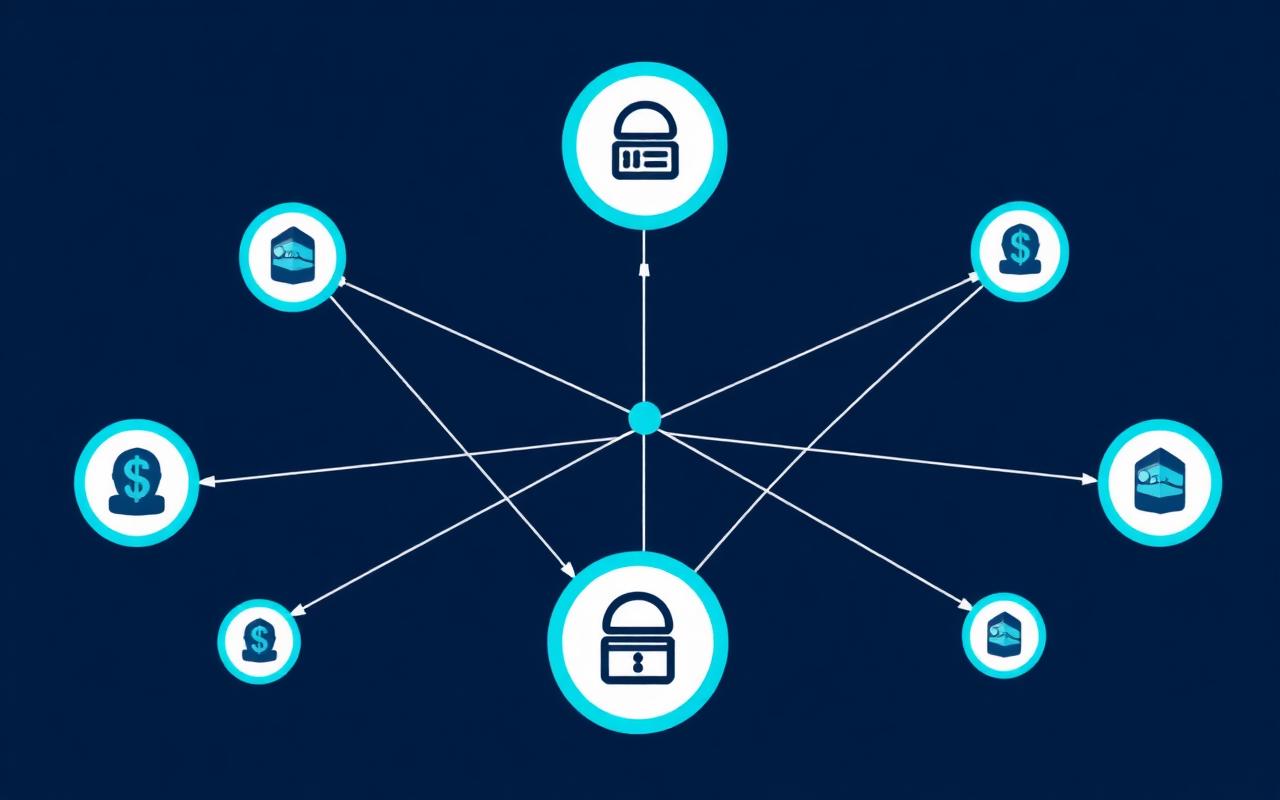
Orchestration is not "having two PSPs." It is the operational discipline of treating PSPs as interchangeable rails that you route across based on rules you control. The minimum viable orchestration layer answers four questions on every transaction:
- Which PSP gives the best probability of approval for this BIN, in this country, at this hour?
- Which PSP is cheapest for this card type and ticket size?
- If the first attempt fails with a soft decline, which PSP do we retry on and after how long?
- If a PSP is degraded, how do we shift traffic without a code release?
You can build this in-house, buy a dedicated orchestration platform, or use the orchestration features inside a primary PSP. Each is a defensible choice. The wrong choice is to not make one.
When orchestration does not pay back
It is worth saying clearly: not every merchant needs this. If you process under roughly two million euro a year, run a single geography, and have a healthy approval rate, the operational overhead of orchestration will outpace the savings. Focus on the basics first.
Above that threshold, the math flips quickly. A 100bps reduction in cost and a five-point approval lift on €20M of volume is €1.2M of contribution margin. It is hard to find a higher-return project in a payments team.
How to start without a six-month program
The fastest way to learn is to integrate one secondary PSP behind your incumbent and route 5–10% of traffic to it for a quarter. You will discover three things: how your real approval rate varies between providers, where your incumbent is strong, and how much operational work a serious orchestration program actually requires. From there, the business case writes itself.
Strategic advisor in digital payments with 15 years of operating experience — from analyst to Head of Payments. Focused on lifting approval rates, lowering cost, and building the risk and compliance frameworks that let fintechs scale.
Work together